High Water Table Septic Systems Idaho Falls, ID
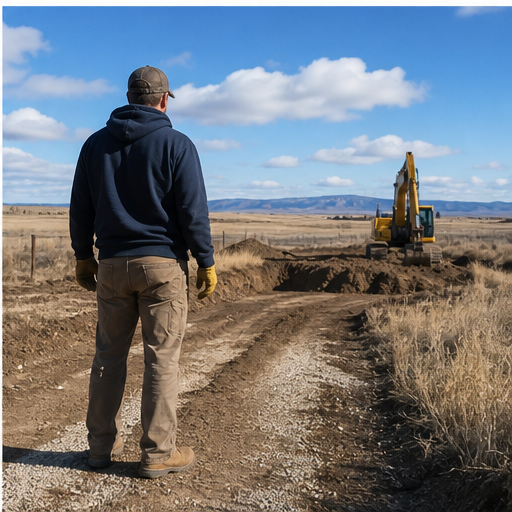
Idaho Falls Septic Service helps property owners plan septic work on lots where a shallow water table changes what a standard system can do.
Not every parcel in Bonneville County sits on the same soil and groundwater conditions. Properties closer to the Snake River, in lower-lying areas, or on lots with heavy clay layers can have a water table that sits closer to the surface than a typical in-town lot near Ammon or Ucon. That difference matters because a conventional in-ground drain field needs enough vertical separation between the bottom of the field and seasonal high groundwater to properly treat wastewater before it reaches the water table. When that separation is not available, the design has to change.
Signs Your Lot May Have A High Water Table
- Standing water or soggy ground in low spots after normal rain or snowmelt, even away from any septic system.
- Irrigation ditches, canals, or the Snake River within a short distance of the property.
- Neighboring properties with known mound or raised drain field systems.
- A well log or soil report showing shallow groundwater.
- A septic system that struggles seasonally, especially during spring runoff, even though the tank itself checks out fine.
What Changes In The System Design
When a soil evaluation shows insufficient separation to groundwater for a standard field, common alternatives include a mound system, which builds the drain field up in a bed of sand and gravel above natural grade, or another engineered design suited to the specific soil and site. These systems generally cost more than a standard in-ground field because they require imported fill material, a pump to move effluent up into the mound, and closer attention to site grading. They are not exotic or rare in eastern Idaho, but they do require a provider experienced with the design and a soil evaluation confirming which approach fits the lot.
How This Affects New Installation And Replacement Projects
If you are planning a new septic installation on a rural parcel near the river or in a low-lying area, ask early whether a soil evaluation has been done and whether the lot is a likely candidate for an engineered design. The same applies to a tank or drain field replacement on an older property: if the existing system was installed decades ago under different rules, a like-for-like replacement may not be approved today, and the replacement design may need to account for current separation requirements.
Permitting Through Eastern Idaho Public Health
Individual septic systems in Bonneville County are reviewed through Eastern Idaho Public Health under Idaho's state on-site wastewater rules, and a soil and site evaluation is the step that actually determines whether a lot needs a standard, mound, or other engineered design. Because engineered systems involve more design work, expect the permitting and design phase to take longer than a standard installation. Confirm current requirements, application steps, and timelines directly with Eastern Idaho Public Health before finalizing a construction schedule. See septic permit planning for the records to gather first.
Living With A Mound Or Engineered System
Mound and other engineered systems generally need the same care as a standard system, plus a few extra considerations: protect the mound area from vehicle traffic and heavy equipment, keep the pump and controls accessible for service, and avoid regrading or landscaping changes that would alter drainage around the mound without checking with a professional first. If you notice the pump alarm sounding, wet areas forming around the base of the mound, or odors near the system, treat those the same as any other septic warning sign and request a review.
Comparing Neighborhoods Across Bonneville County
Site conditions vary enough within Bonneville County that a neighbor's experience is not always a reliable guide. A property on higher, well-drained ground near Ammon or Ucon may have never needed anything beyond a standard drain field, while a parcel a few miles away along the river bottom or in a historically wet low spot could require an engineered design. Older farmland that has been subdivided into smaller rural residential lots can also carry irrigation and drainage patterns from decades of agricultural use, which is another reason a fresh soil evaluation matters more than assumptions based on nearby properties.
Working With A Qualified Installer
Idaho's on-site wastewater rules generally require septic installation and major repair work to be performed or overseen by an installer who meets state licensing requirements, and engineered systems in particular benefit from installer experience with mound or alternative designs specifically, not just standard fields. When comparing quotes for a high water table property, ask each provider directly about their experience with engineered systems in eastern Idaho, how they handle the required soil evaluation, and how they coordinate with Eastern Idaho Public Health during design and final inspection.
Frequently Asked Questions
How do I know if my property needs a mound or engineered septic system?
A soil and site evaluation, done as part of the permitting process, is what confirms actual groundwater depth and soil conditions. Proximity to the Snake River or a history of soggy low spots on the property are signs worth mentioning when you request an evaluation.
Do mound systems cost more than standard septic systems?
Generally yes, because they require imported fill material, a pump system, and more design work. See septic system cost for the broader cost factors involved in installation and replacement projects.
Can an older standard system be replaced with another standard system on a high water table lot?
Not always. Current separation requirements may not allow a like-for-like replacement if the original system predates today's rules. A new soil evaluation will confirm what design is approvable now.