Urgent Septic Help Idaho Falls, ID
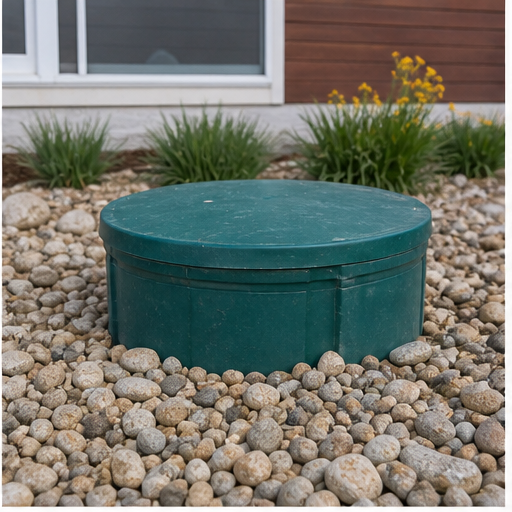
Idaho Falls Septic Service helps property owners describe urgent septic problems clearly in Idaho Falls, ID and surrounding Bonneville County areas.
Some septic problems need fast attention, especially when wastewater is backing up, toilets will not drain, sewage is surfacing, or strong odors are present near the home. We help collect the urgent details clearly so the request can be reviewed for the right next step.
Situations That Usually Count As Urgent
- Sewage backing up into a tub, shower, toilet, or floor drain.
- No fixtures draining anywhere in the house.
- Wastewater surfacing or pooling in the yard near the tank or drain field.
- Strong sewage odor inside or immediately around the home.
- An alarm light or audible alarm on a pump or aerobic system.
What To Do While You Wait For A Response
If sewage is backing up inside the home, stop using water where possible: hold off on laundry, dishwashing, and long showers so the system is not asked to handle more flow than it already has. Keep people, kids, and pets away from any standing wastewater outside, since it can carry health risks. Do not attempt to open or enter a septic tank yourself. If the backup is severe and affecting drinking water safety or living conditions, treat it with the same urgency as any other essential-utility failure.
About This Service
Good quote requests usually include a clear service need, a reachable phone number, the property city, and enough detail to understand timing, access, symptoms, site conditions, and the current septic setup. If the problem is urgent but you still need a rough budget frame, use the Idaho Falls septic cost calculator before submitting the request.
What Affects The Quote
- Location and travel distance within the service area.
- Access, job size, timing, and site conditions.
- Whether the job is repair, pumping, replacement, inspection-related, urgent, or new installation.
- Photos, inspection notes, tank details, symptoms, and service history that reduce back-and-forth.
Common Causes Behind Urgent Backups
Urgent backups usually trace back to one of a few causes: a tank that is completely full and overdue for pumping, a blocked or collapsed line between the house and the tank, a failed baffle or pump, or a drain field that can no longer accept water. A sudden backup after a long period without symptoms often points to something mechanical, like a blocked line or failed pump, while a backup that has been building gradually over weeks is more often tied to an overdue tank or a struggling drain field. Either way, describing when the problem started and whether it came on suddenly or gradually helps a provider narrow down the likely cause before the visit.
What To Expect After You Submit An Urgent Request
An urgent request should include the same core details as any septic request, just delivered faster: property address or nearest community, a description of what is happening right now, whether sewage is inside the home, and the best way to reach you. Photos of any visible backup or surfacing wastewater, along with a note on tank access and driveway conditions, help a provider assess the situation before arriving. If the property has a well, note its general location as well, since urgent sewage issues near a well can raise additional safety considerations.
Winter And Access Considerations For Urgent Calls
Eastern Idaho winters can complicate an already stressful situation. Frozen ground, snow-covered driveways, and buried tank lids can slow the first visit even when the problem is urgent, so clearing a path to the tank area and noting any gate codes, livestock, or long driveway distance ahead of time can help. On properties closer to the Snake River or in lower-lying parts of Bonneville County, urgent backups during spring runoff or after heavy rain may be tied to a high water table rather than a tank problem alone, which is useful context to mention when describing the issue.
Frequently Asked Questions
What counts as an urgent septic problem?
Sewage backing up inside the home, no drains working anywhere in the house, wastewater surfacing outside, or a pump alarm sounding are all situations that typically need fast attention.
Should I stop using water during a septic backup?
Yes. Reducing water use limits how much additional flow the system has to handle while you wait for help.
Is a septic backup a health risk?
Standing wastewater can carry health risks, so keep people and pets away from affected areas until the issue is resolved.
What if the urgent problem turns out to be a drain field issue?
If wastewater keeps surfacing outside even after the tank is checked, the request may shift toward drain field repair rather than a tank-only fix. Mention whether the surfacing water is near the tank or further out toward the leach area.