Septic System Cost Idaho Falls, ID
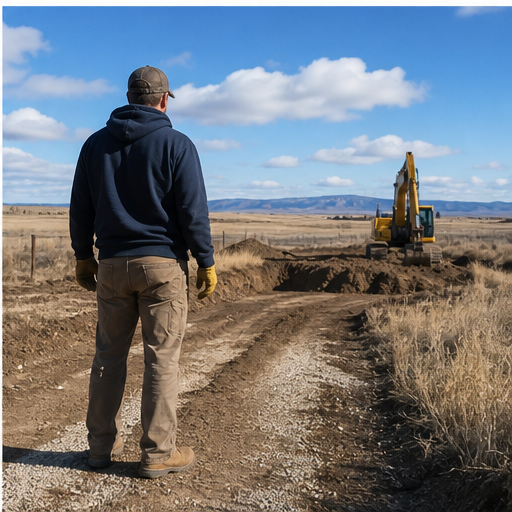
Idaho Falls Septic Service helps property owners organize septic cost questions before requesting a quote from a local provider.
Septic pricing is hard to estimate from a single sentence because the same symptom can have several causes. A slow drain may be routine pumping, a clogged line, a full tank, a failed baffle, or a drain field issue. A rural replacement project may depend on soil, permits, tank size, access, design, and excavation conditions. The best cost request gives enough context for the provider to identify whether the job is maintenance, diagnosis, repair, or full system planning.
Main Cost Drivers
- Service type: pumping, inspection, repair, drain field work, installation, or replacement.
- Tank size, lid access, tank depth, and whether the tank location is known.
- Distance, driveway access, winter conditions, gates, slope, and equipment room.
- Urgency, backup severity, and whether sewage is inside the home.
- Permit, design, excavation, disposal, and restoration needs for larger projects.
- Photos, reports, and service history that reduce unknowns.
How To Ask For A More Accurate Estimate
Start by identifying the property city, the current symptom or project goal, and the last known service date. If you need septic pumping, include tank size and lid access. If you need septic repair, describe where symptoms occur. If you suspect field trouble, review drain field repair guidance before submitting the form.
Idaho Falls Cost Questions By Job Type
Pumping and cleaning usually depend on tank size, lid access, travel distance, whether lids are exposed or buried, and whether the job is routine or urgent. Repair calls depend on the symptom, parts, diagnosis time, whether the issue is in the tank, line, pump, baffle, or drain field, and whether excavation is needed. Inspections may vary based on real estate deadlines, pumping coordination, records review, and how much of the system is accessible.
Installation, replacement, and major drain field work are the hardest to estimate from a form alone. Those projects can involve permitting, site evaluation, soil and slope constraints, design decisions, tank sizing, licensed installer requirements, equipment access, disposal, and restoration. If your project is tied to a home addition, shop, accessory dwelling, failed inspection, or property sale, include those details up front.
Details That Reduce Back-And-Forth
- Nearest community: Idaho Falls, Ammon, Iona, Ucon, Shelley, Rigby, Ririe, or rural Bonneville County.
- Whether the property has private septic, city sewer, or an unknown system.
- Last pump date, visible lids, tank location, and any permit or inspection records.
- Photos of warning signs, access points, driveway constraints, and wet yard areas.
- Timeline: routine planning, real estate deadline, backup inside the home, or new construction.
Why Idaho Falls Site Conditions Change Cost
Two properties needing the same general service can land on different quotes because of site conditions. A parcel close to the Snake River or in a lower-lying part of Bonneville County may need extra soil evaluation or an engineered drain field design because of a shallower water table, which adds design and permitting cost that a straightforward higher-ground lot would not need. Winter timing can also affect cost: excavation-heavy work such as replacement or new drain field installation is harder and slower once the ground is frozen, so scheduling flexibility during late fall and winter can factor into a quote. Rural access, such as long gravel driveways, gated pasture, or equipment that has to be brought in over unpaved ground, adds time regardless of season.
Permitting And Design Cost For Larger Projects
New installations, full drain field replacements, and most tank replacements in Bonneville County are reviewed through Eastern Idaho Public Health, and that process can add design, application, and inspection costs on top of the physical construction. These costs are separate from routine pumping or minor repair work, which generally does not require the same level of review. If your project might involve a permit, budget planning time for that step and confirm current fee and process details directly with the health district rather than assuming a flat number applies statewide.
Frequently Asked Questions
What is the biggest factor in septic system cost?
Service type is the biggest factor. Routine pumping is far less expensive than drain field repair, tank replacement, or new installation, which involve more labor, materials, and sometimes permitting.
Does a high water table make a septic project more expensive?
It can. Sites near the Snake River or in low-lying areas may need additional soil evaluation or an engineered system design, which adds cost compared with a standard in-ground field on higher, well-drained ground.
Are permit and inspection fees included in a service quote?
Not always. For installation and major replacement projects, ask whether the quote includes Eastern Idaho Public Health permit and inspection steps or whether those are billed separately.
Why do two quotes for the same job sometimes differ?
Differences often come from access assumptions, whether locating the tank is included, disposal and travel distance, and whether the estimate already accounts for site conditions like a shallow water table or difficult winter access.