Septic Pumping Idaho Falls, ID
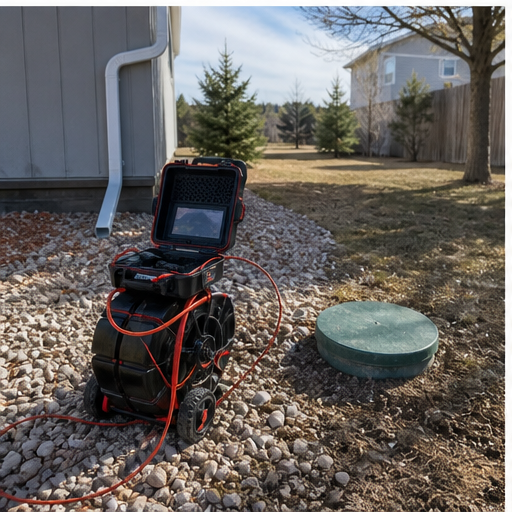
Idaho Falls Septic Service helps homeowners request septic pumping in Idaho Falls, Bonneville County, and nearby eastern Idaho communities.
Septic pumping is one of the simplest ways to protect a private septic system, but the right timing depends on more than a calendar. Household size, tank size, water use, garbage disposal use, guests, rental use, and the last known pumping date all affect how quickly solids build up. If you are seeing slow drains, gurgling fixtures, sewage odor, standing water near the tank area, or a backup at the lowest drain in the house, the request should explain those symptoms clearly instead of asking for routine maintenance only.
When Pumping Is Usually Worth Scheduling
Many Idaho Falls-area homes on private septic schedule pumping as preventive maintenance, before a property sale, before winter access becomes difficult, after a failed inspection, or when the service history is unknown. Pumping can also help a contractor inspect the tank condition, baffles, lid access, and signs of root or drain field trouble. It is not a guaranteed fix for every backup. If water is already surfacing in the yard or drains back up shortly after pumping, the issue may need septic repair or drain field repair review.
What To Include With A Pumping Quote Request
- Property city or nearby area, such as Idaho Falls, Ammon, Ucon, Iona, or Rigby.
- Last known pump date, if available.
- Approximate tank size, number of bedrooms, or household size.
- Whether lids are exposed, buried, or unknown.
- Symptoms such as odor, slow drains, gurgling, wet soil, or backup.
- Access notes for gates, slope, snow, pets, or long driveway distance.
Cost And Timing Factors
Quote ranges can change based on tank size, whether the lid must be located or dug up, travel distance, disposal requirements, urgency, weather, and whether the job includes inspection or troubleshooting. If you are preparing for a sale, refinance, or inspection, mention the deadline so the provider can tell you whether pumping plus documentation is realistic.
Routine Pumping Versus A Backup Call
A routine pumping request is different from an active backup. If sewage is inside the home, toilets will not flush, or wastewater is surfacing outside, say that first. If the request is preventive maintenance, say whether there are any current symptoms or whether you are simply trying to protect the system before winter, before guests arrive, or before a real estate inspection.
Some Idaho Falls-area companies handle both septic pumping and sewer or drain cleaning, but those are not always the same job. If multiple fixtures are slow inside a home connected to city sewer, the issue may be a sewer line or drain-cleaning request. If the property has a private tank and drain field, the request should include tank access, pumping history, and any septic-specific warning signs.
Access Details For Eastern Idaho Weather
Buried lids, snow cover, frozen ground, narrow rural lanes, locked gates, dogs, livestock, and long hose runs can affect scheduling and pricing. A few photos of the driveway, lid area, and any visible risers can help a provider decide whether routine pumping is straightforward or whether locating and digging are part of the visit.
Pumping Frequency And Household Factors
There is no single interval that fits every Idaho Falls property. A two-person home with a properly sized tank may go several years between pump-outs, while a larger household, a rental, a home with a garbage disposal, or a property that hosts frequent guests can fill a tank much faster. Older tanks, smaller tanks relative to household size, and systems with no documented service history are usually good candidates for more frequent checks. If you do not know the tank size or the last pump date, say so in the request rather than guessing, since a provider may want to locate and open the tank before committing to a schedule.
High Water Table Areas And Pumping Timing
Properties closer to the Snake River or in lower-lying parts of Bonneville County can sit above a shallower water table than homes on higher ground. In those areas, a tank that appears full or slow to drain may actually be affected by groundwater intrusion rather than solids buildup alone, particularly during spring runoff or after heavy irrigation season. If pumping does not resolve the symptoms, or if the tank refills unusually fast without matching household use, that pattern is worth describing when requesting septic repair or drain field review, since it may point to a site-condition issue rather than a routine maintenance one.
Frequently Asked Questions
How often should a septic tank be pumped in Idaho Falls?
It depends on tank size, household size, and water use, but many private systems are pumped every two to four years. Homes with heavy use, garbage disposals, or unknown service history may need more frequent checks.
Can I pump my own septic tank?
Pumping requires locating the tank, opening the lid safely, and disposing of septage properly. Most Idaho Falls-area property owners request a provider for this rather than attempting it themselves.
Will pumping fix a slow drain or backup?
Sometimes. If the tank was simply full, pumping can resolve slow drains. If symptoms return quickly, the cause may be a drain field, line, or baffle issue that pumping alone will not fix.
Does winter make septic pumping harder in eastern Idaho?
Yes. Frozen ground and snow-covered lids can slow access, so many property owners schedule pumping before the ground freezes in late fall.
High-Intent Septic Help In Idaho Falls
Septic pumping is the right phrase for maintenance and full-tank service, but some searches need a different page. Use the repair, inspection, and drain-field pages when the request involves backups, home-sale deadlines, wet yard areas, or symptoms that return soon after pumping.