Septic Tank Replacement Idaho Falls, ID
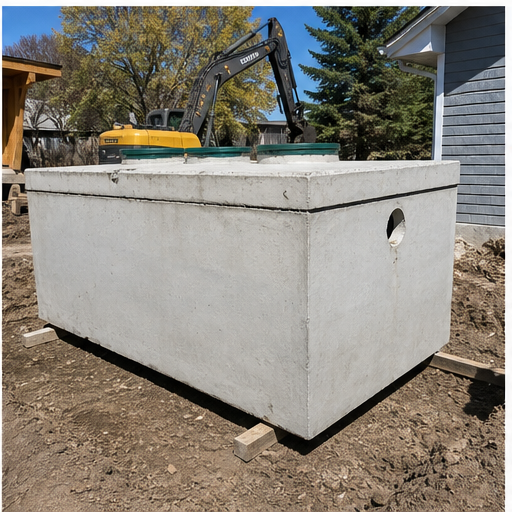
Idaho Falls Septic Service provides septic tank replacement help in Idaho Falls, ID and surrounding areas.
A septic tank may need replacement when it is cracked, unsafe, undersized, failing inspection, or near the end of its useful life. Good replacement planning starts with tank location, access, age, material, household size, current symptoms, and any inspection notes.
About This Service
Good quote requests usually include a clear service need, a reachable phone number, the property city, and enough detail to understand timing, access, symptoms, site conditions, and the current septic setup.
What Affects The Quote
- Location and travel distance within the service area.
- Access, job size, timing, and site conditions.
- Whether the job is repair, pumping, replacement, inspection-related, urgent, or new installation.
- Photos, inspection notes, tank details, symptoms, and service history that reduce back-and-forth.
Signs A Tank May Need Full Replacement Instead Of Repair
Not every tank problem calls for replacement. A cracked lid, damaged riser, or failed baffle can often be repaired without swapping the tank itself. Full replacement is more likely when the tank shell is structurally cracked or collapsing, when it is significantly undersized for current household use, when it has failed a real estate or health-district inspection outright, or when repeated repairs on an aging tank stop being cost-effective. If you are not sure which category applies, a straightforward septic inspection can usually settle the question before you request a replacement quote.
Permitting For Tank Replacement In Bonneville County
Replacing a septic tank is treated differently than a minor service repair. In Bonneville County, tank replacement is generally reviewed through Eastern Idaho Public Health under Idaho's on-site wastewater rules, which can involve confirming the existing system layout, verifying the new tank meets current sizing and setback requirements, and completing a final inspection once the work is done. Requirements can vary depending on the property and whether the drain field is being reused or also needs attention, so confirm the current process with that office before scheduling excavation. See septic permit planning for what to gather first.
Site Conditions That Affect Replacement Planning
Tank access matters as much as the tank itself. Rural Idaho Falls-area properties can have buried lids, long driveways, livestock areas, irrigation lines, or landscaping that has grown over the original tank location, all of which affect how straightforward the excavation will be. Properties closer to the Snake River or in lower parts of Bonneville County may also have a higher water table, which can affect excavation, backfill, and how the tank is set. Winter timing matters too: frozen ground can delay excavation-heavy replacement work, so many property owners plan tank replacements for late spring through fall when possible, and use pumping or temporary repair to get through winter if a full replacement is not urgent.
What A Replacement Project Usually Involves
A typical tank replacement starts with locating the existing tank and confirming its size, material, and condition, followed by pumping it out before excavation. The old tank is removed or, in some cases, left in place and decommissioned according to health-district requirements, and the new tank is set, connected to the existing inlet and outlet lines, leveled, and backfilled. Depending on the property, a provider may also check the distribution box and the first section of drain field line for damage from the excavation work or from whatever caused the original tank failure. Landscaping restoration, driveway repair, or reseeding disturbed ground is usually the last step, and property owners should ask upfront whether that is included in the quote or billed separately.
Tank Materials And What They Mean For Replacement
Older Idaho Falls-area properties may still have concrete, steel, or fiberglass tanks, while newer installations commonly use precast concrete or high-density polyethylene. Steel tanks are the most likely to fail from corrosion and are often a straightforward case for replacement rather than repair. Concrete tanks can crack or have baffle failures that sometimes allow for a targeted repair instead of full replacement, but a structurally compromised concrete tank still needs to come out. If you know or suspect your tank's age and material, mention it in your request, since it can help a provider anticipate what the excavation and removal will involve.
Frequently Asked Questions
How do I know if my septic tank needs to be replaced instead of repaired?
A structurally cracked or collapsing tank, a tank that fails inspection outright, or a tank that is clearly undersized for the household are the strongest signs. An inspection can confirm which situation applies.
Is a permit required to replace a septic tank in Bonneville County?
Yes, tank replacement is generally reviewed through Eastern Idaho Public Health. Confirm current requirements before scheduling excavation.
Can a septic tank be replaced without disturbing the drain field?
Often yes, if the drain field itself is still functioning. The tank and drain field are separate components, though a provider will usually confirm the field's condition as part of the project.