Septic Inspection Idaho Falls, ID
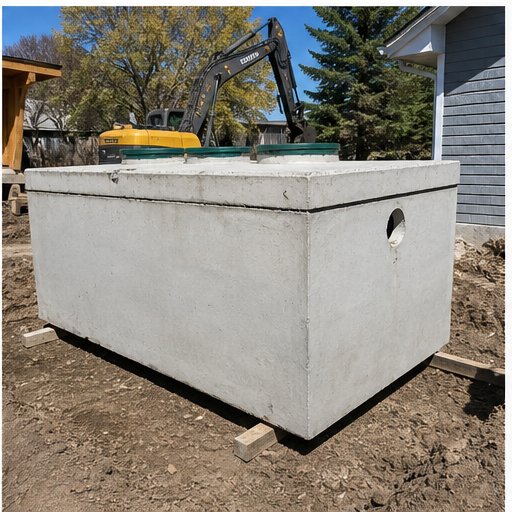
Idaho Falls Septic Service helps homeowners, buyers, sellers, and rural property owners request septic inspection help around Idaho Falls and Bonneville County.
A septic inspection can be part of a real estate transaction, a problem diagnosis, a pre-purchase rural property review, or a maintenance check when service history is unknown. The goal is to understand the tank, access, visible condition, service history, and warning signs before a small issue becomes expensive. If the inspection is tied to a closing date, appraisal, lender requirement, or buyer objection, include the deadline in the first message.
When An Inspection Request Is Strongest
- Buying or selling a home with a private septic system.
- Unknown tank size, tank location, or service history.
- Older rural property with additions or changing occupancy.
- Slow drains, odors, wet yard areas, or recurring backups.
- Planning repairs, replacement, or drain field protection work.
Inspection Details To Gather
Useful information includes the property address or nearest area, number of bedrooms, approximate age of the home, last pump date, known tank location, whether lids are exposed, and any existing inspection report. Photos of risers, cleanouts, lids, wet spots, or previous paperwork can reduce back-and-forth. If the tank needs to be pumped for inspection access, ask whether the provider can coordinate septic pumping as part of the visit.
What Inspection Findings Can Lead To
An inspection may lead to a simple maintenance recommendation, a repair quote, a drain field concern, or a larger replacement conversation. For planning, keep related pages handy: septic repair, drain field repair, and septic system cost.
Inspection Details For Idaho Falls Buyers And Sellers
Many septic inspection requests happen because a buyer, seller, lender, or agent needs confidence before a closing date. A better request includes the property address or nearby community, sale deadline, whether the tank location is known, whether the system has maintenance records, and whether the inspection needs pumping, camera work, permit-record review, or a condition report. If the home is rural or outside a sewered area, say that clearly.
Idaho guidance treats on-site wastewater systems as regulated systems, and public health districts handle septic permitting and inspections. That does not mean every buyer inspection is a permit application, but it does mean old permits, installer records, tank size, drain field location, and prior repairs can matter when a property is being sold or remodeled.
Warning Signs To Mention Before The Visit
- Odor near the tank, cleanout, basement, crawl space, or yard.
- Slow drains, gurgling fixtures, or backups during laundry and showers.
- Wet soil, standing water, or unusually green grass near the drain field.
- No known pumping history or a tank that has not been opened in years.
- Plans to add bedrooms, finish space, build an accessory unit, or increase wastewater use.
What A Strong Idaho Falls Septic Inspection Request Includes
For a faster quote, describe whether the inspection is for a purchase, sale, refinance, remodel, odor complaint, backup, or unknown system history. Include the closing deadline if one exists, whether the tank lids are exposed, whether the drain field location is known, and whether the property has a private well, irrigation, livestock areas, detached shop, or long equipment-access route.
Inspection requests in Ammon, Iona, Ucon, Shelley, Rigby, Ririe, and rural Bonneville County often need more context than an in-town maintenance call. If the property has acreage, old additions, a finished basement, or a shop bathroom, include those details so the provider can decide whether the visit is a basic inspection, a pump-and-inspect appointment, or a repair/replacement planning call.
Inspection Outcomes To Plan For
- Maintenance only: the system looks serviceable and needs routine pumping or access improvements.
- Minor repair: lids, risers, baffles, lines, or access points need attention before the system is easier to service.
- Drain field concern: high water levels, wet soil, odors, or backups point toward leach-field diagnosis.
- Replacement planning: age, failed components, property-use changes, or inspection findings require a broader septic system quote.
Frequently Asked Questions
How long does a septic inspection take?
It depends on tank access, whether pumping is needed to inspect the tank interior, and whether a full condition report is required for a sale. A straightforward inspection with an accessible tank is usually quicker than one requiring locating and digging.
Do I need a septic inspection before selling a home in Idaho Falls?
Many buyers, lenders, or agents request one for private septic properties, especially rural homes or properties without recent service records. See septic inspection before buying for buyer-side planning.
Does a high water table affect inspection findings?
It can. On parcels near the Snake River or in lower-lying parts of Bonneville County, seasonal groundwater can affect how a drain field performs during the inspection, which is worth noting if the visit happens during spring runoff or after heavy rain.
High-Intent Septic Help In Idaho Falls
Inspection requests often turn into pumping, repair, or drain-field questions after a buyer, seller, or owner learns more about the system. These related pages use the exact service wording most likely to match how Idaho Falls property owners describe the next step.